Commercial Services
Residential Services
Duct Encapsulation
How Duct Encapsulation Works?
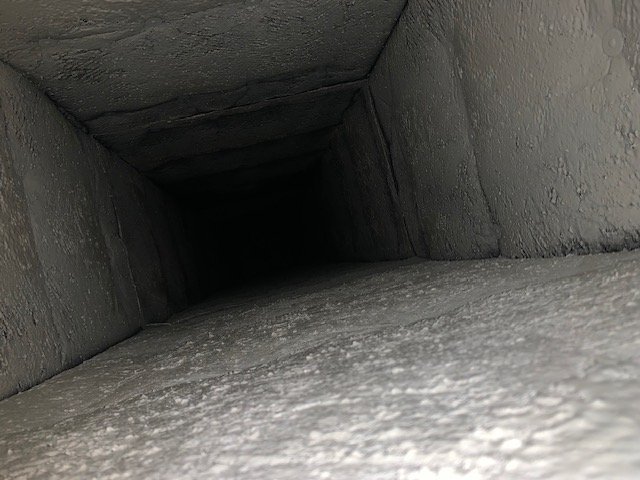
Duct encapsulation is a specialized process performed after professional duct cleaning to lock in cleanliness and protect air quality. It’s comparable to relining old iron pipes in a plumbing system: just as a new lining prevents leaks and corrosion in pipes, encapsulation coats the interior of duct work with a smooth, sealed surface that resists contaminant buildup. This is particularly important for fiberglass-lined ducts, which can become compromised during cleaning.
Encapsulation addresses by applying a sealant, such as Fiberlock 8000, to the duct interior after cleaning. This process realigns and stabilizes the agitated fiberglass, sealing the surface to prevent contaminants from adhering. By acting as a protective barrier, encapsulation ensures the long-term benefits of duct cleaning, making it a critical step for maintaining air quality in South Florida homes.
The Duct Encapsulation Process
Professional Duct Cleaning: The process starts with thorough cleaning using NADCA-compliant methods, including negative pressure, mechanical agitation, and HEPA vacuuming to remove mold, dust, and debris from the entire duct system.
Fiberglass Stabilization: Cleaning can agitate fiberglass linings, loosening fibers that may trap new contaminants. Encapsulation realigns these fibers, creating a smooth, stable surface.
IAQ800 Application: A specialized antimicrobial sealant like Fiberock 8000 is sprayed or fogged into the ductwork. Fiberock 8000 forms a durable coating that seals the duct interior, preventing mold spores and other contaminants from adhering.
Antimicrobial Protection: Fiberock 8000 antimicrobial properties inhibit mold and microbial growth, providing ongoing defense against moisture-driven mold challenges.
Final Inspection: Technicians verify that the sealant is applied evenly, ensuring the duct system is fully protected and optimized for cleaner air circulation.
Unlike superficial cleaning methods that only address vents or registers, encapsulation targets the entire duct system, creating a long-lasting barrier against contaminants.